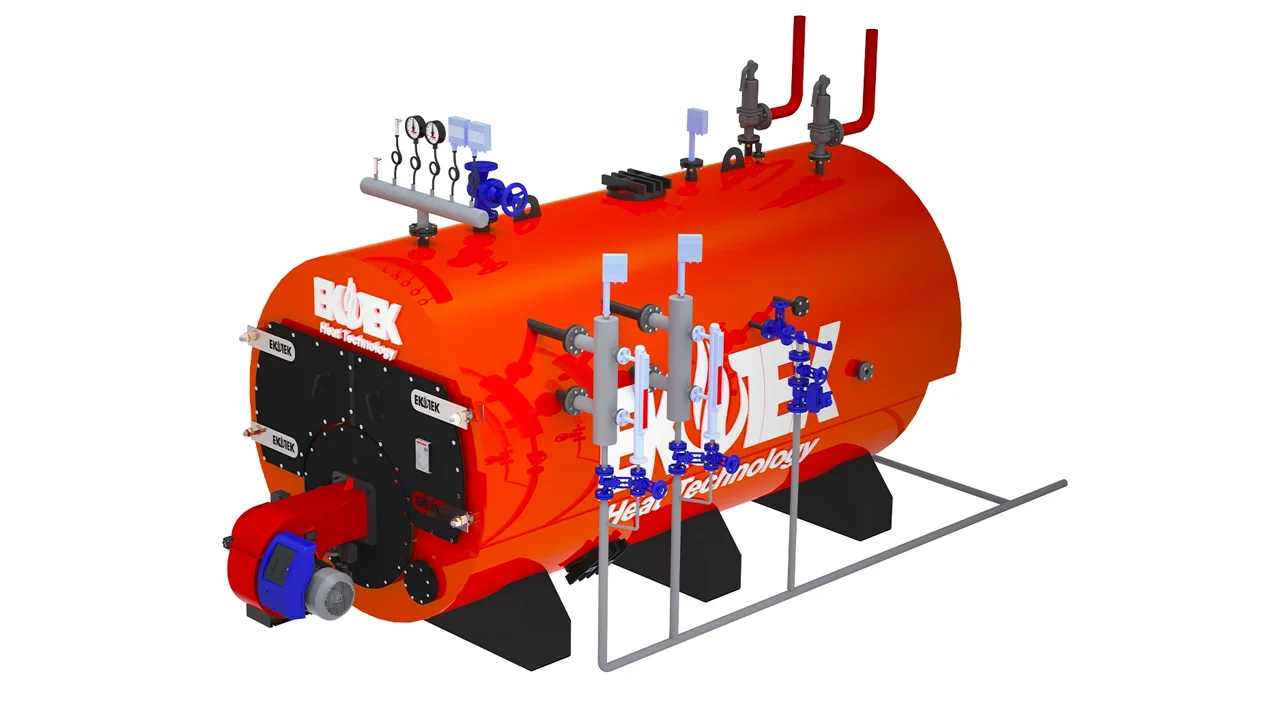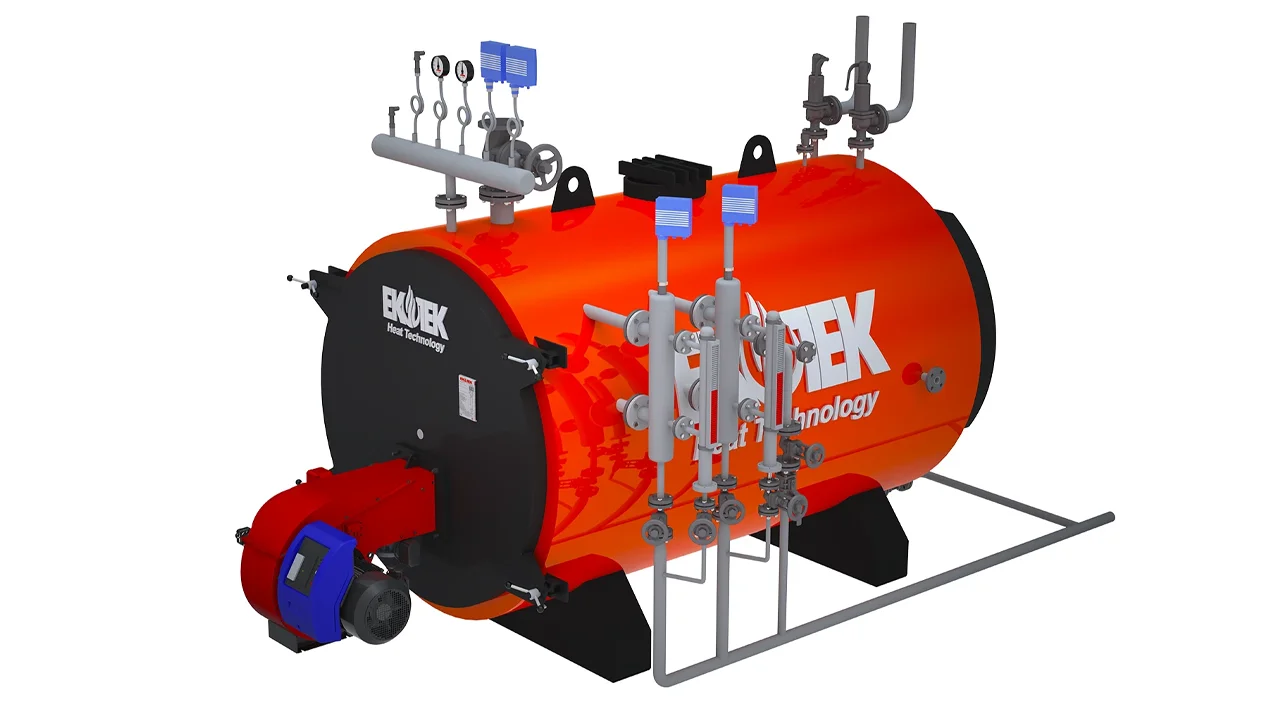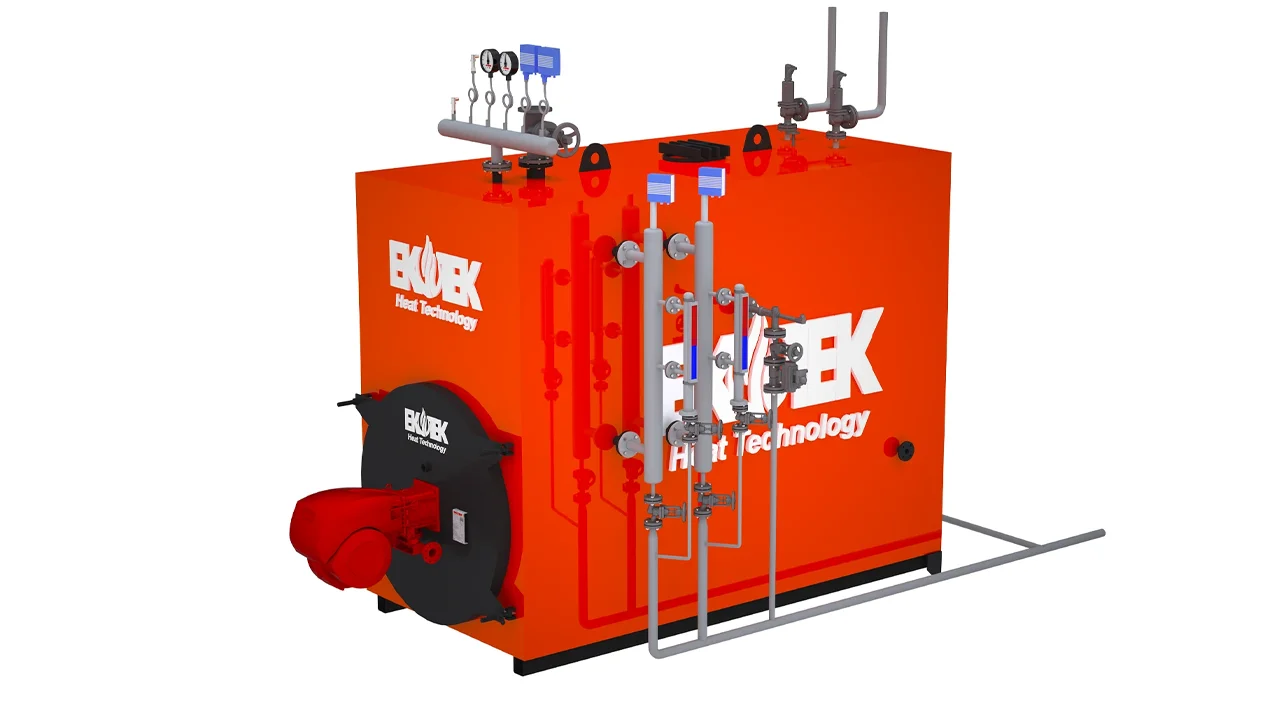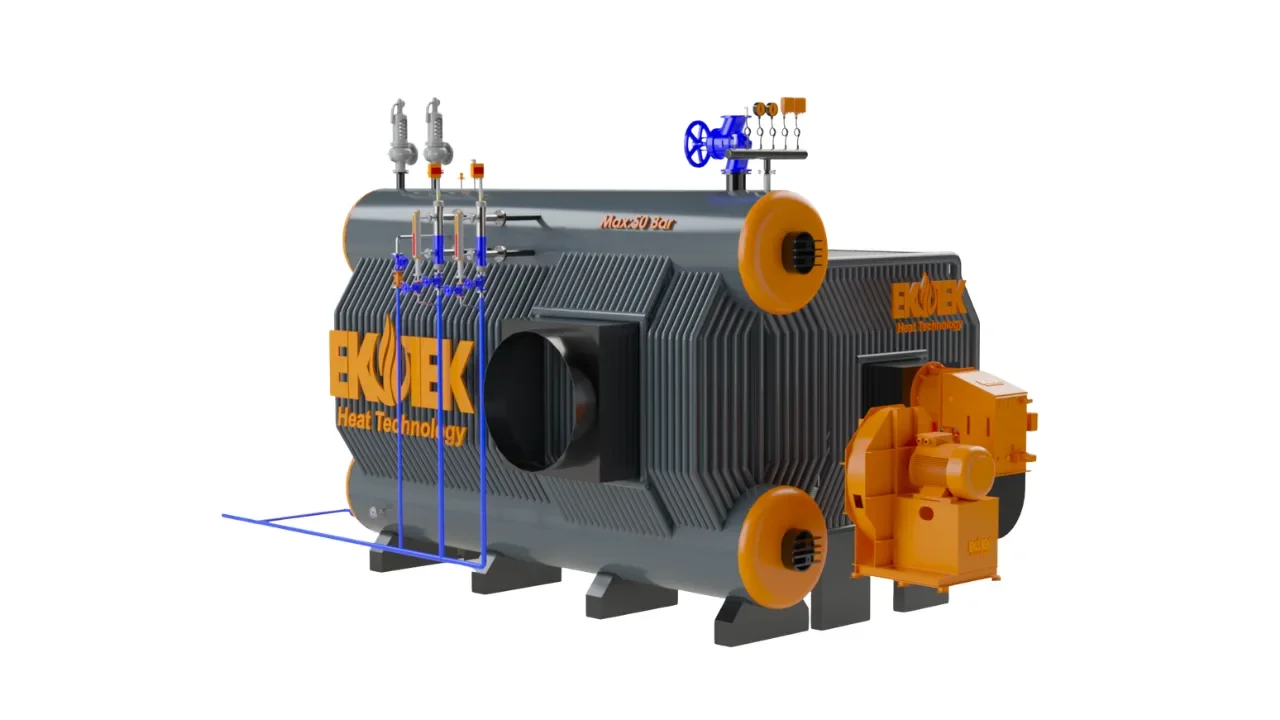




Liquid and gas fired steam boilers are a practical choice when you need fast response, clean combustion and predictable operation.
In many plants, steam demand changes during the shift. A packaging line starts, a CIP cycle begins, or a batch kettle ramps up. In these situations, a boiler that can react smoothly helps protect product quality and reduces unplanned downtime.
Liquid and gas firing is also a practical fit when cleanliness and maintenance planning matter. Compared to many solid fuel systems, you typically deal with less ash handling and a more straightforward combustion tuning process, which makes daily operation easier.
When liquid and gas firing makes sense
Choose liquid or gas firing when fuel supply is stable, emissions targets are clear, and you need reliable steam without long start - up times. It is a common fit for food, textile, packaging, and process plants where pressure stability is more valuable than the lowest possible fuel cost.
If your facility may switch between gas and liquid fuel, confirm burner compatibility and changeover procedures early. The best outcome is not just the ability to burn two fuels, but predictable tuning and repeatable performance after every switch.
- Food and beverage utilities where operational cleanliness is important.
- Textile and laundry facilities needing quick response to peaks.
- Packaging lines that require steady pressure control.
- Industrial sites where dual - fuel flexibility reduces risk.
How performance is achieved (burner, controls, heat recovery)
Performance in a liquid or gas fired boiler is driven by burner quality, control stability and heat recovery. A properly sized burner with a wide modulation range helps avoid short cycling, which reduces wear and keeps efficiency more consistent.
Consider the full system, not only the boiler shell. Combustion air, chimney conditions, feedwater temperature and condensate return all affect the achievable efficiency. Simple upgrades such as an economizer or better condensate recovery often deliver measurable fuel savings.
Finally, specify what "good control" means in your process. For some plants it is tight pressure control, for others it is reliable ramping and stable quality during load changes. Share your load profile with the supplier so the control strategy matches your reality.
Water side basics (efficiency and reliability)
Many steam boiler problems are water - side problems: scaling, corrosion and poor blowdown management. Even with a good boiler, poor feedwater quality can quickly reduce heat transfer, increase fuel use and shorten service life.
Before you buy, confirm your water treatment scope, target TDS, and how condensate will be returned. If condensate return is high, feedwater temperature improves and fuel consumption can drop. If condensate is contaminated, plan isolation and monitoring so the boiler is protected.
Safety and integration notes
Safety is not an accessory. Confirm that the boiler, burner and controls follow your local requirements, and that instrumentation is sized for your operating pressure. For critical processes, ask about redundancy in level control and how alarms and trips are tested.
Integration matters too: steam header sizing, condensate return piping, and venting all affect stability. If you are retrofitting an existing plant, a site survey can prevent expensive rework after installation.
Buyer checklist
To make your purchase decision easier, treat the boiler as a system and confirm the points below with your engineering and operations teams. This reduces surprises during commissioning.
- Steam capacity and pressure range aligned with real peak demand.
- Fuel supply, redundancy, and emission expectations documented.
- Burner modulation range and control philosophy agreed.
- Water treatment scope and condensate return plan validated.
- Heat recovery options (economizer, blowdown, condensate) reviewed.
Need help matching capacity and fuel infrastructure?
Share your required steam capacity, operating pressure and fuel constraints - our team will recommend the right configuration. Contact Us.