



Choosing an industrial steam boiler is a technical decision with direct effects on production continuity, fuel cost, safety and maintenance planning. For facilities that run continuous production, the right boiler is not simply the model with the highest capacity. It is the system that can deliver stable steam at the required pressure, respond to changing loads, match the available fuel infrastructure and remain serviceable throughout its working life.
Before comparing boiler prices, buyers should define the real operating conditions of the plant. A food processing line, textile dyeing facility, chemical process, sterilization unit or industrial laundry can all need steam, but their load profiles are not the same. Some plants need fast steam response during short production cycles, while others require stable base-load steam for long shifts. This difference should shape the boiler selection from the beginning.
Calculate the real steam demand
The first step is to calculate the actual steam demand of the process. This should include current equipment, peak demand, seasonal production changes and likely future capacity increases. Selecting a boiler only according to today’s average consumption can create problems when the production line expands. On the other hand, choosing an oversized boiler may increase fuel consumption and cause inefficient low-load operation.
A good selection study should compare hourly steam consumption, operating hours, pressure requirement, condensate return rate and feedwater quality. If the facility has several steam consumers, the simultaneous load should be reviewed carefully. Not every machine reaches peak consumption at the same time, so the real operating profile is often more useful than a simple total of nameplate values.
Match working pressure and steam quality
Working pressure is one of the most important technical parameters. The selected boiler must produce steam at the pressure required by the process equipment, while the distribution system must also be designed to minimize pressure losses. In many industrial applications, steam quality is as important as pressure. Wet or unstable steam can reduce heat transfer efficiency, affect product quality and increase maintenance issues in valves, traps and process equipment.
Water treatment, blowdown control, condensate recovery and proper instrumentation should be considered together with the boiler. A technically suitable boiler can still perform poorly if water quality is ignored. For continuous production, stable steam quality requires both correct boiler design and disciplined operation.
Choose the right fuel type
Fuel selection affects operating cost, emissions, automation level and maintenance routine. Natural gas and LPG are often preferred where clean combustion, automatic operation and fast response are priorities. Diesel or fuel oil may be relevant for sites without gas infrastructure or for backup systems. Solid fuels and biomass can be economical where local fuel supply is strong, but they require different handling, ash management and combustion control.
The cheapest fuel per unit may not always create the lowest total cost. Buyers should also consider burner efficiency, fuel storage, operator workload, chimney requirements, local regulations and service availability. For example, a liquid-gas fired steam boiler may offer easier automation and cleaner operation, while a solid fuel steam boiler may be more attractive in facilities with reliable biomass or local solid fuel supply.
Evaluate efficiency and lifetime cost
Fuel is usually the largest lifetime cost of a steam boiler. For that reason, efficiency should be evaluated beyond the brochure value. Heat transfer surface, insulation quality, combustion control, economizer compatibility and automation features all influence real operating performance. Even a small efficiency difference can become significant in a plant that runs many hours per year.
Economizers, oxygen trim systems, proper burner modulation and condensate recovery can help reduce fuel consumption. The payback period of these options should be calculated according to real fuel prices and annual operating hours. For continuous production facilities, efficiency investments often become more valuable than a lower initial purchase price.
Check automation, safety and maintenance access
Modern boiler systems should support safe and repeatable operation. PLC control, water level protection, pressure monitoring, alarm systems, flame safety and controlled blowdown improve operational reliability. In facilities where operators manage several systems at once, clear controls and reliable automation reduce human error.
Maintenance access is also critical. Cleaning doors, inspection points, burner access, spare part availability and service support should be reviewed before purchase. Downtime in a production plant often costs more than the price difference between two boiler options. A boiler that is easier to inspect and maintain can provide better long-term value.
Connect the boiler choice to the process
The best steam boiler choice is project-specific. A textile factory may prioritize stable steam for dyeing and finishing. A food plant may focus on hygiene, sterilization and consistent pressure. A chemical process may require precise control and strong safety margins. The boiler should be selected according to the process, not only according to a generic capacity table.
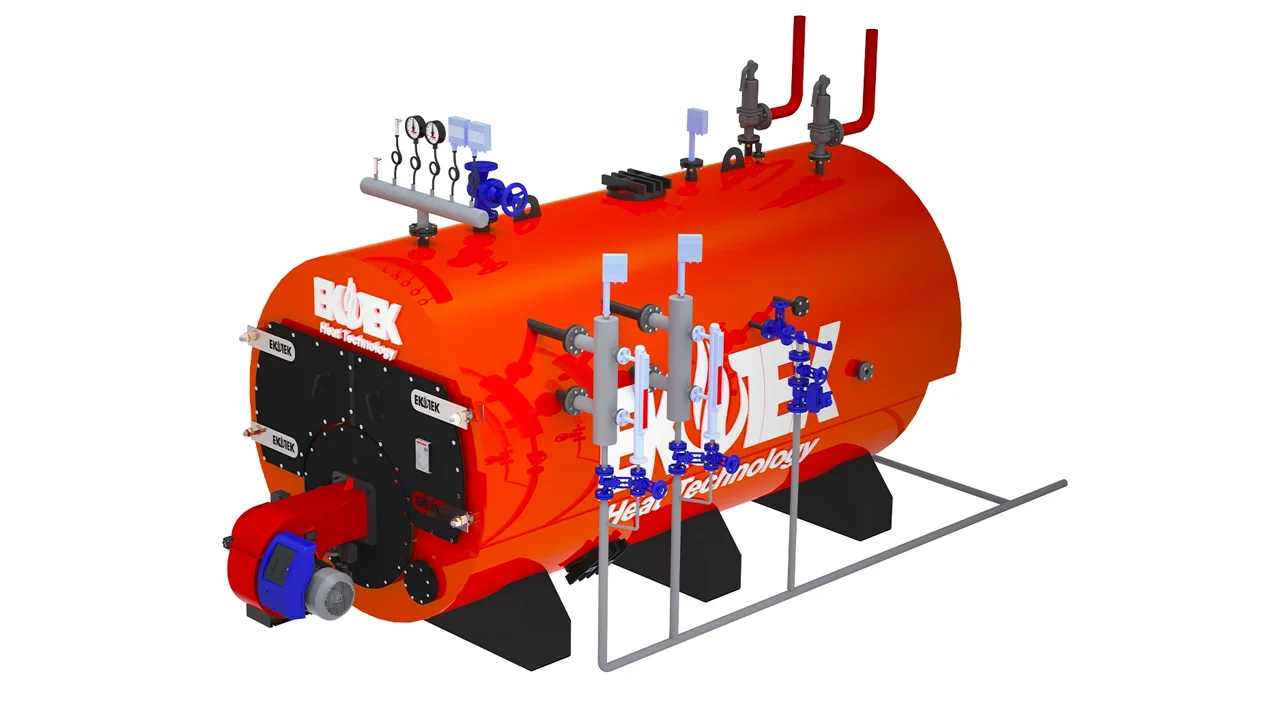
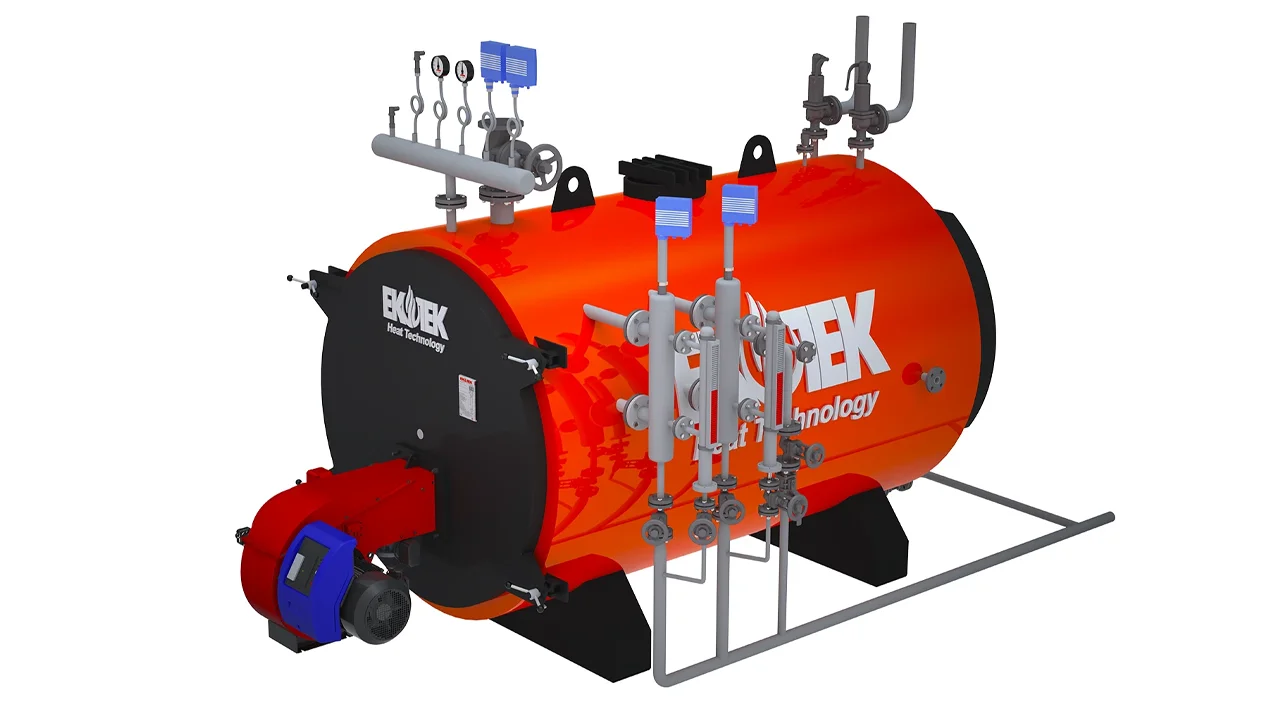
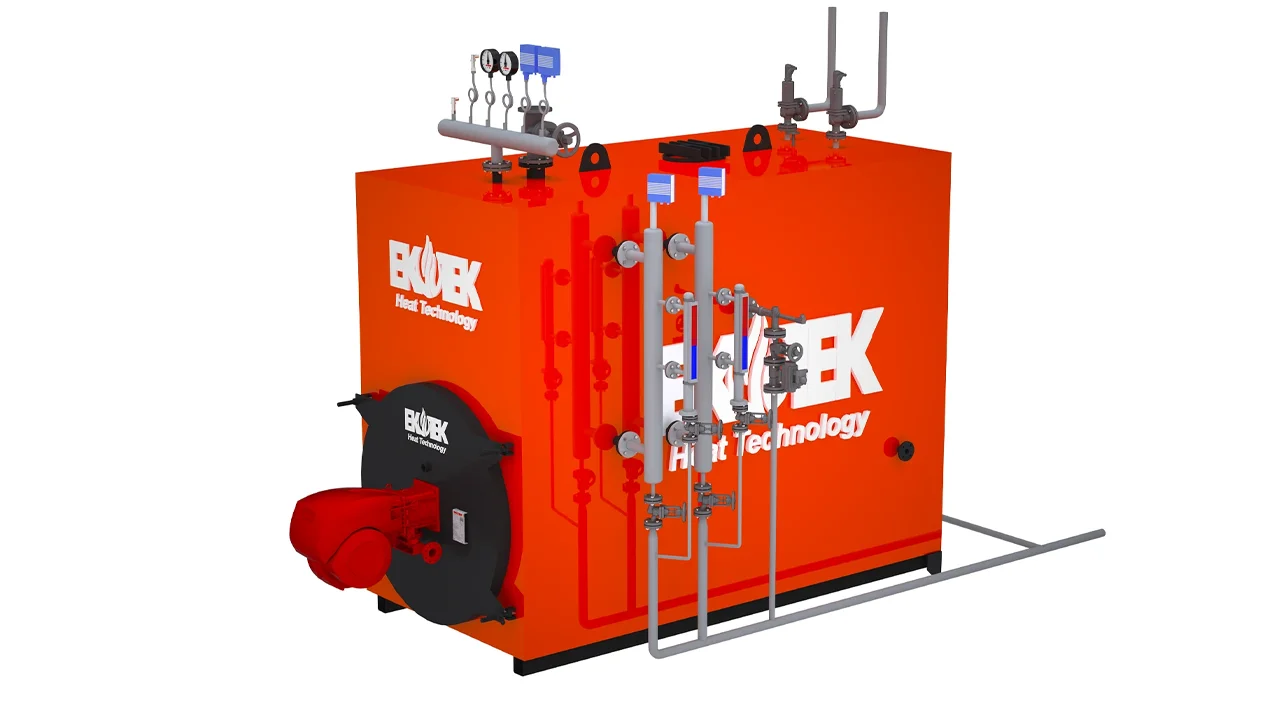
Ekotek manufactures industrial steam boiler systems for different fuel types, pressure levels and plant requirements. The steam boilers category includes liquid-gas fired, solid fuel and electric steam generation options. For high pressure liquid and gas fuel applications, the Storm Series liquid gas fuel high pressure steam boiler can be evaluated according to project needs.
If you are planning a new boiler investment or replacing an existing system, prepare your capacity, pressure, fuel, installation area and operating hour information before requesting a quotation. This makes it possible to compare technical options clearly and choose a boiler system that supports production reliably for years.