




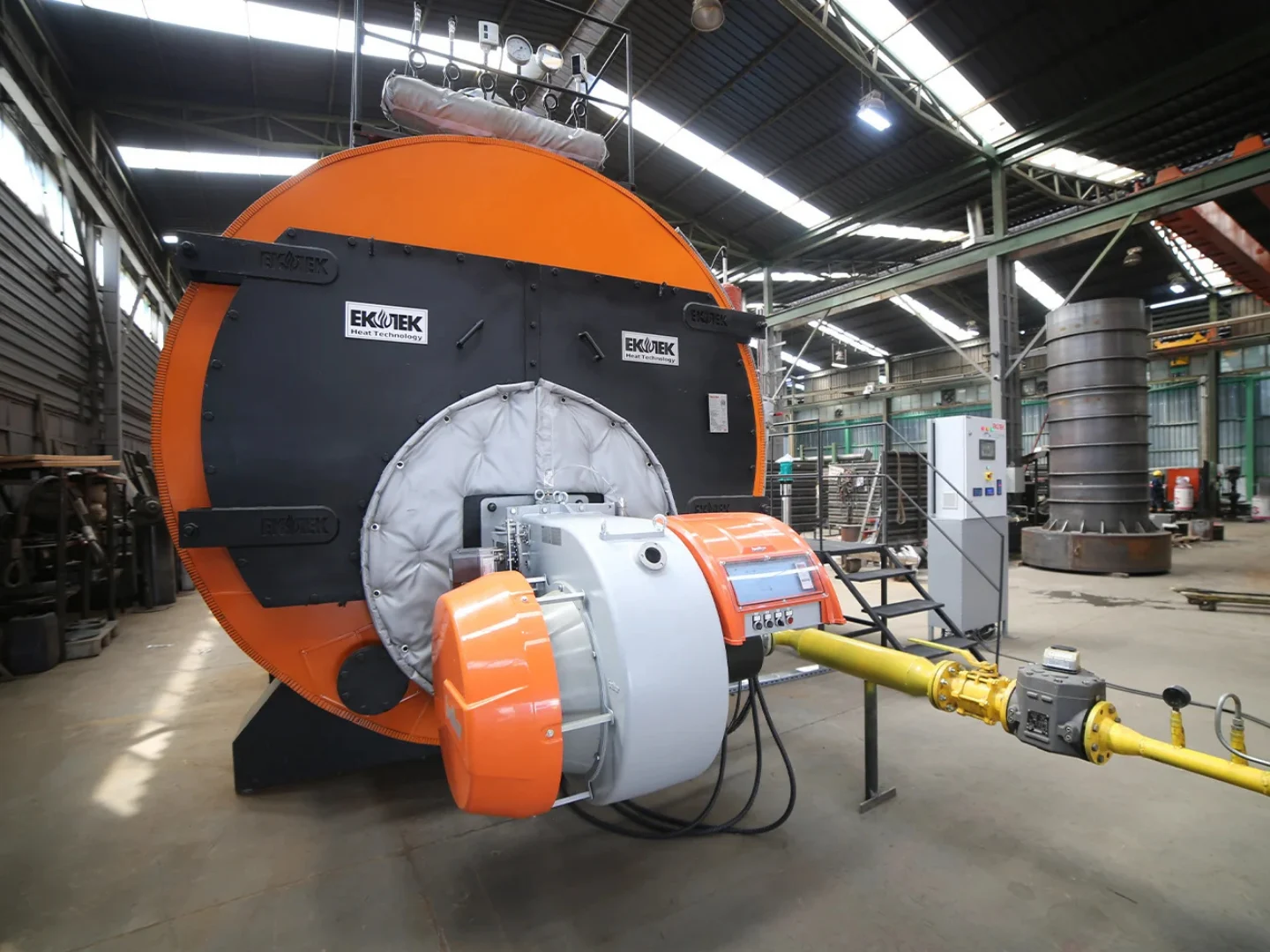
A burner is a device that mixes fuel and air in the correct ratio to achieve controlled combustion and produce thermal energy. It is a critical component in industrial boilers, ovens, furnaces, dryers, and many heating systems. Burners can operate on various fuels, including natural gas, LPG, diesel, fuel oil, and biogas. Understanding how a burner works is essential for ensuring safe, efficient, and consistent heat production.
The Working Principle of a Burner
The primary function of a burner is to mix fuel with air and ignite it under controlled conditions to create an efficient flame. This process occurs in several key stages.
1. Fuel Supply to the Burner
When the burner starts, the fuel supply system activates depending on the fuel type:
- Gas valves and regulators for natural gas,
- Vaporization and pressure control for LPG,
- Preheating and pumping systems for fuel oil,
- Fuel pumps for diesel.
The fuel is delivered precisely to the burner nozzle or gas outlets.
2. Supplying Combustion Air
Burners are equipped with a fan that provides the combustion air required. The correct amount of air is crucial: too much air reduces efficiency, while too little air causes soot and carbon monoxide formation.
3. Mixing Fuel and Air
Inside the burner, fuel and air are mixed in an optimal ratio. Proper mixing ensures complete and efficient combustion, producing a stable and clean flame.
4. Ignition
Ignition is typically achieved with a high-voltage ignition electrode. The spark ignites the fuel–air mixture and establishes the flame inside the combustion chamber.
5. Flame Monitoring
Modern burners continuously monitor the flame using safety sensors such as:
- ionization probes,
- UV flame sensors,
- photoresistance detectors.
If the flame is not detected, the burner automatically shuts down to prevent accidents.
6. Modulation and Efficiency Control
Modulating burners adjust their firing rate according to the heat demand of the system. This provides:
- lower fuel consumption,
- stable temperature control,
- longer equipment lifespan.
Types of Burners
Burners can be classified by fuel type and operating method.
1. Gas Burners
These burners operate with natural gas or LPG and offer clean, efficient combustion with minimal emissions.
2. Liquid Fuel Burners
Diesel and fuel-oil burners atomize liquid fuel into fine particles for combustion. Some systems require fuel preheating.
3. Dual-Fuel Burners
These burners can switch between gas and liquid fuels, offering flexibility depending on energy pricing or availability.
4. Modulating Burners
These burners can adjust flame size continuously to match heating demand, maximizing energy efficiency.
Key Factors for Efficient Burner Operation
- Regular maintenance,
- Clean and unobstructed filters,
- Proper air and fuel adjustments,
- Functional flame detection sensors,
- Routine flue gas analysis,
- Well-maintained nozzles and air inlets.
Burners are essential components that convert fuel into usable heat through controlled combustion. A properly adjusted and well-maintained burner ensures high efficiency, fuel savings, and safe operation. From industrial boilers to heating systems, burners play a vital role in modern energy and production processes.