




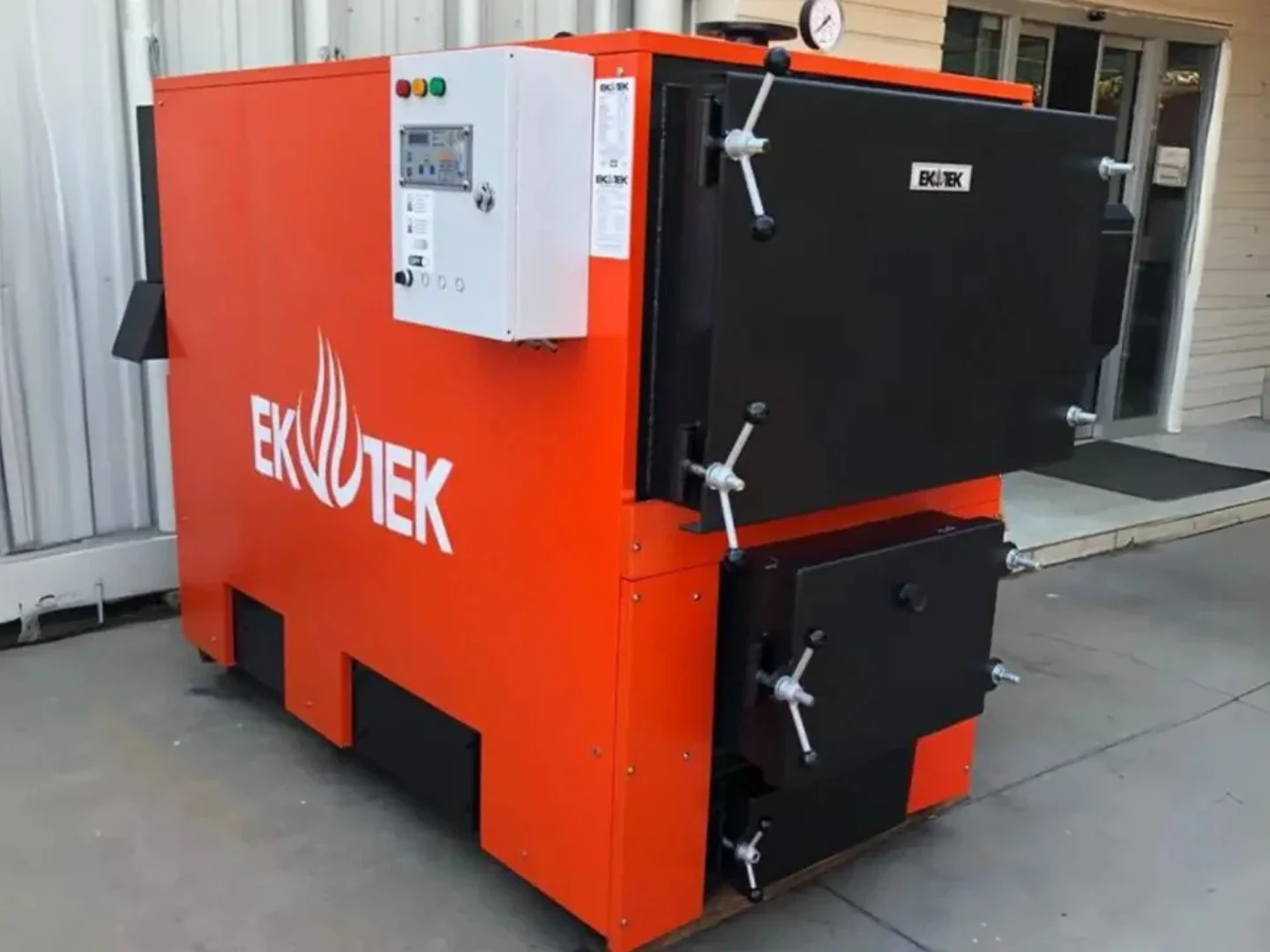
As demand for efficient, economical heating increases during winter, choosing the right heating boiler becomes critical for both homeowners and businesses. Two of the most commonly compared systems are coal-fired and pellet-fired heating boilers. While both systems provide central heating, they differ significantly in terms of fuel type, efficiency, environmental impact, and user comfort.
What Is a Coal-Fired Heating Boiler?
A coal-fired heating boiler uses fossil fuels such as lignite, hard coal, or nut coal to generate heat. The energy released from burning coal heats water, which is then circulated to radiators. These boilers have been widely used in large buildings and industrial facilities for many years.
What Is a Pellet Heating Boiler?
Pellet boilers operate using renewable biomass fuels such as wood pellets and compressed sawdust. Thanks to their high efficiency, low emissions, and fully automatic operation, pellet heating systems have become increasingly popular in modern heating applications.
Main Differences Between Coal-Fired and Pellet Heating Boilers
| Comparison Criteria | Coal-Fired Heating Boiler | Pellet Heating Boiler |
|---|---|---|
| Fuel Type | Fossil fuel (coal) | Renewable biomass (pellet) |
| Energy Efficiency | 65–80% | 85–95% |
| Emission Levels | High CO₂, SO₂, NOx, and ash output | Very low emissions, eco-friendly |
| Fuel Feeding Method | Mostly manual | Automatic (auger feeding) |
| Cleaning & Maintenance | Produces large amounts of ash; frequent cleaning required | Minimal ash; easy maintenance |
| User Comfort | Low | High (automatic control) |
| Environmental Impact | High pollution and carbon emissions | Considered carbon-neutral |
Advantages of Coal-Fired Heating Boilers
- Fuel cost may be lower in some regions.
- Suitable for extensive facilities with high heating demand.
Disadvantages of Coal-Fired Heating Boilers
- High emissions and significant environmental pollution.
- Frequent ash removal and chimney cleaning are required.
- Manual fuel loading leads to low user comfort.
Advantages of Pellet Heating Boilers
- Very high combustion efficiency (up to 95%).
- Automatic ignition and fuel feeding system.
- Eco-friendly operation with low emissions.
- Minimal ash production, easy to maintain.
- Uses renewable and carbon-neutral fuel.
Disadvantages of Pellet Heating Boilers
- Higher initial investment compared to coal systems.
- Pellet quality directly affects overall efficiency.
Which One Should You Choose: Coal or Pellet?
For users who prioritize energy efficiency, environmental sustainability, comfort, and low maintenance, the pellet heating boiler stands out as the more modern and efficient option. Coal-fired boilers, on the other hand, may still be preferred in regions where coal is significantly cheaper or more accessible.
When choosing between coal-fired and pellet heating boilers, consider long-term operating costs, environmental impact, ease of use, and system efficiency. Pellet boilers offer a clean, efficient, and future-proof heating solution for homes and commercial buildings seeking sustainable comfort.