



The boiler room is the heart of any industrial heating and steam generation facility. A well-designed boiler room not only maximizes energy efficiency but also directly impacts equipment lifespan, personnel safety, and operational costs. In high-capacity systems, proper boiler room design, boiler room layout, boiler room ventilation, and boiler safety standards are essential for long-term economic and operational benefits. This guide covers the key elements and best practices for industrial boiler room design.
Boiler Room Layout and Space Planning
The first and most critical step in boiler room design is selecting the right location and arranging equipment efficiently. The boiler room should be positioned close to the facility's heat demand while minimizing fire risk.
Space Selection and Sizing
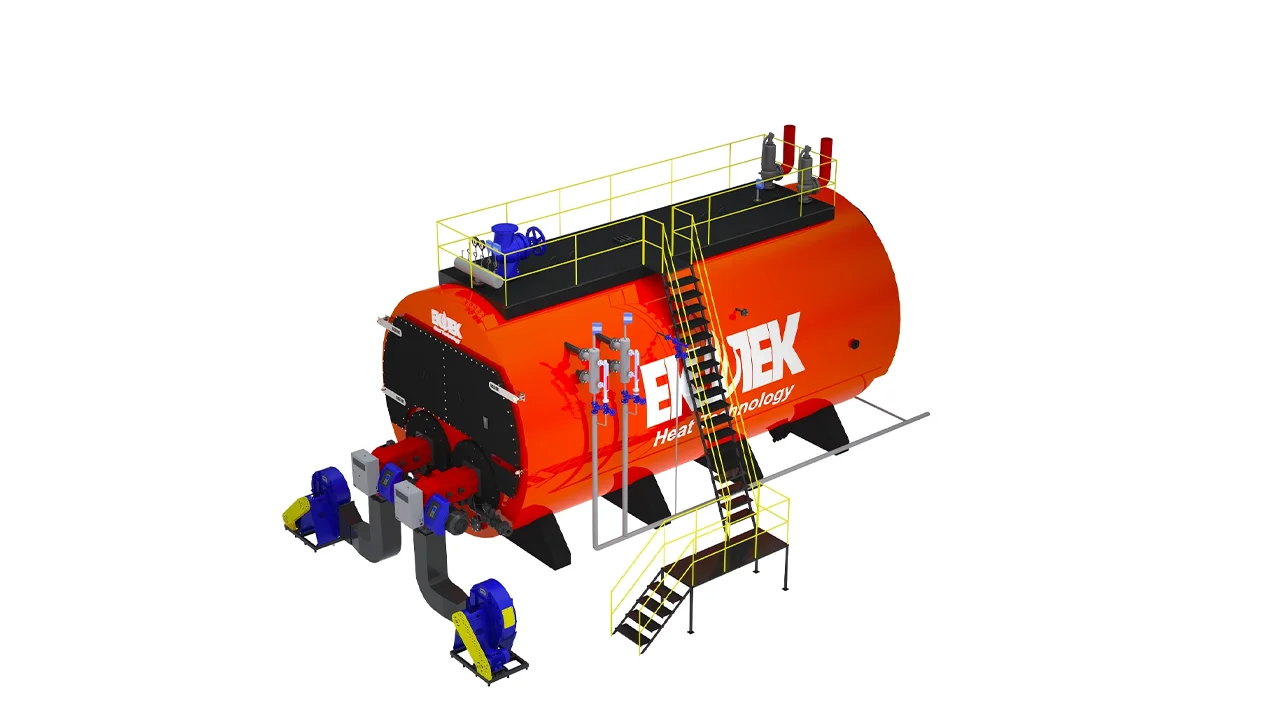
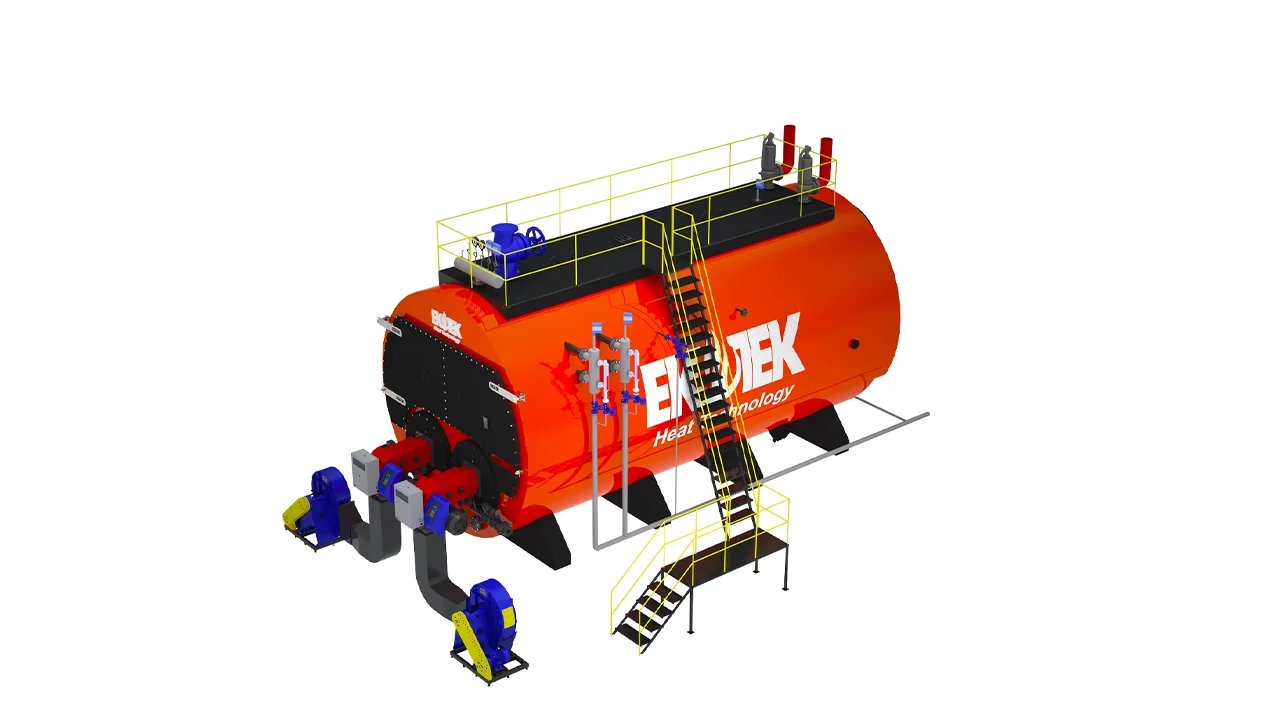
The boiler room must be sized to allow adequate maintenance, service, and operational space. For large-capacity systems such as the Storm X Series - Double-Furnace Steam Boilers, at least 1 meter of clearance around the boiler is recommended. Ceiling height must accommodate chimney outlets, lifting equipment, and condensate line routing. Floor coverings should be made of materials with high load-bearing capacity and chemical resistance.
Equipment Layout and Flow Optimization
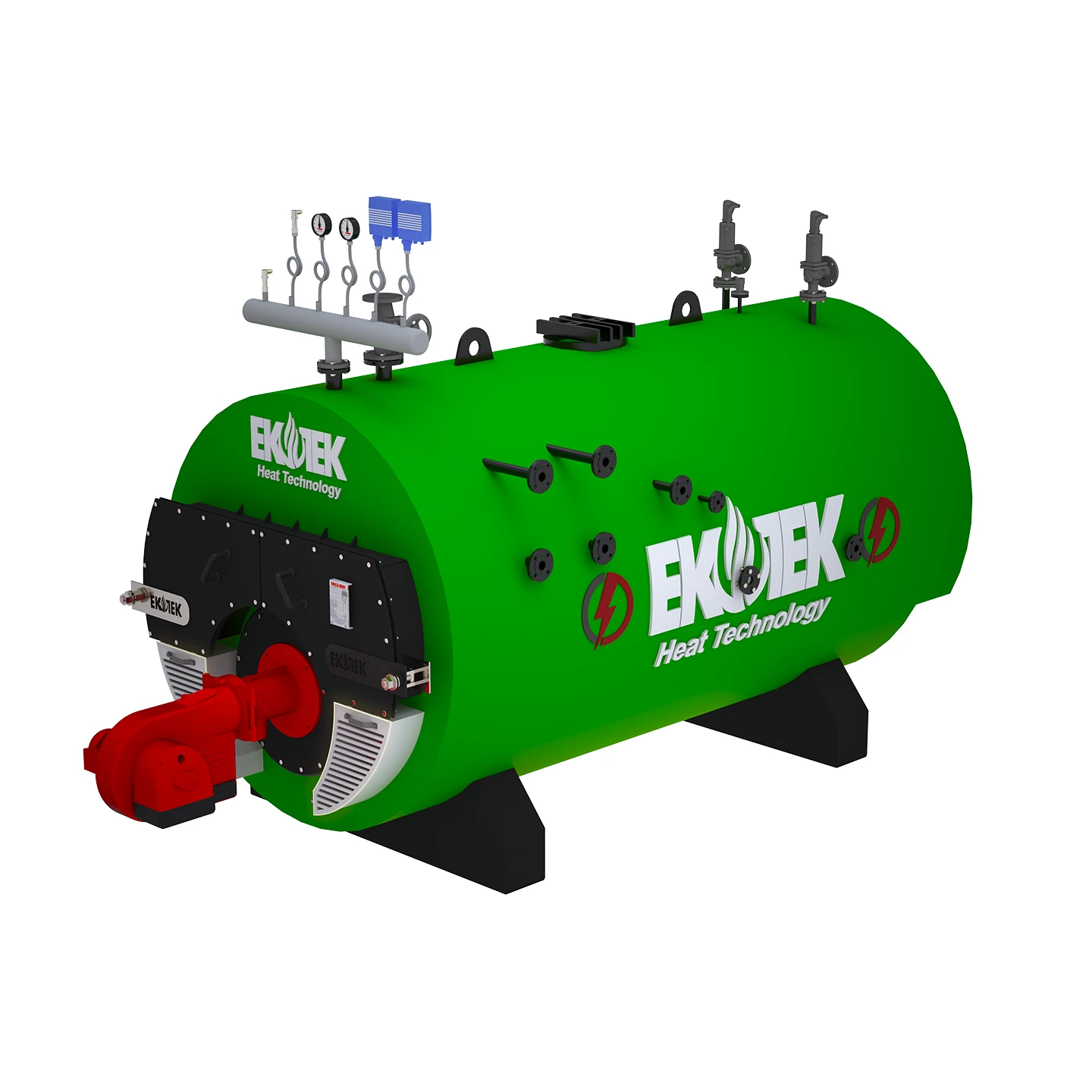
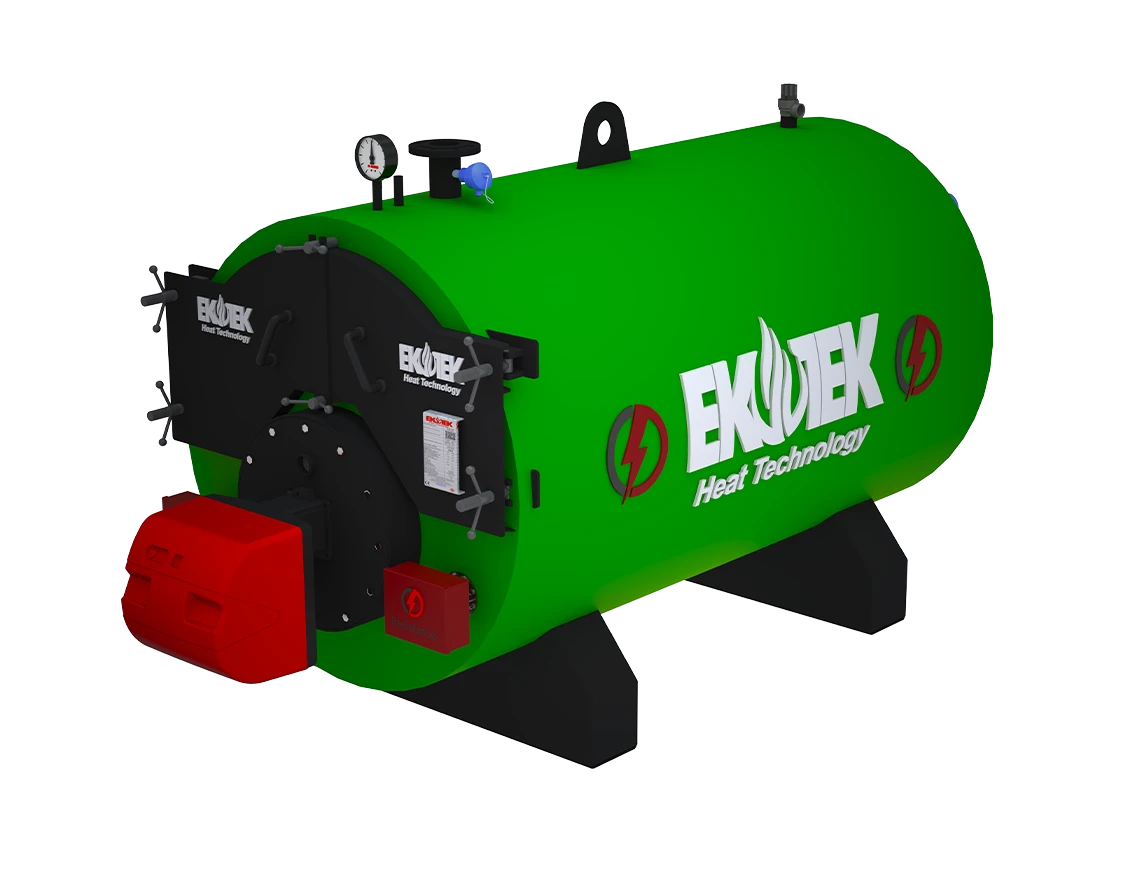
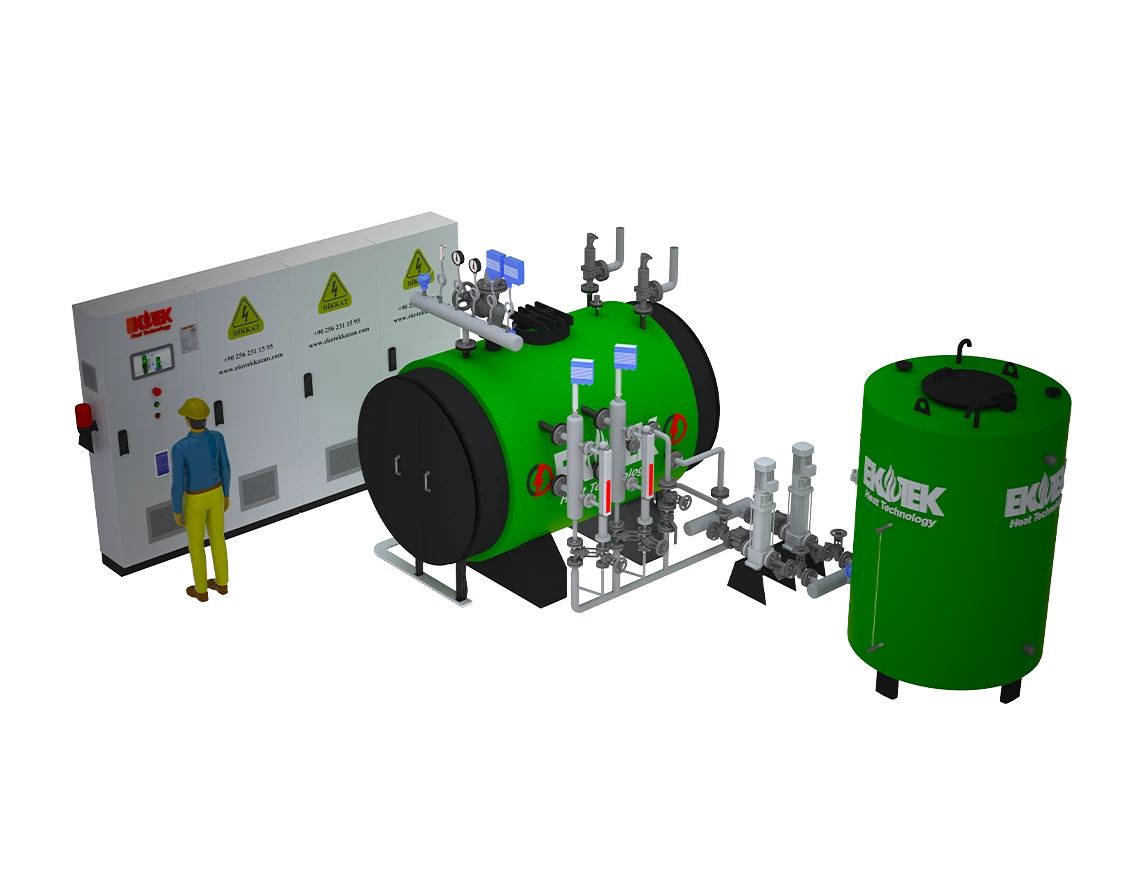
The placement of the steam boiler, feedwater tank, condensate tank, deaerator, and combustion equipment should be optimized to reduce energy losses and facilitate maintenance access. Modern systems like the Storm ECO Series - Hybrid Steam Boiler benefit from modular layouts that simplify expansion and maintenance. Feedwater and condensate recovery lines should be planned separately with minimal pressure drops.
Boiler Room Ventilation and Climate Control
Adequate ventilation is critical for both personnel health and boiler efficiency. Its primary purposes are supplying oxygen for combustion, preventing overheating, and removing potential gas leaks.
Natural and Mechanical Ventilation
While natural ventilation may suffice for small boiler rooms, mechanical ventilation and exhaust fans are mandatory for large industrial facilities. Even for electric systems like the Mega Volt X Series - Electric Steam Generator, climate control is necessary to cool electrical panels and control systems. Ventilation calculations must consider the boiler's maximum combustion air requirement and room volume.
Combustion Air and Chimney Design
Boiler efficiency depends directly on combustion air quality and chimney draft. Flue gas analysis, oxygen trim control, and Recuperator usage can improve energy efficiency by up to 15%. Chimney insulation and safety shutoffs are also integral to the design.
Safety Rules and Standards
Boiler room safety must comply with national and international standards such as PED, CE, and EN 12953. Personnel safety, emergency procedures, and automation systems are all part of this framework.
Emergency and Fire Prevention Systems
Automatic fire suppression systems, gas leak detectors, smoke detectors, and emergency stop buttons must be installed. In natural gas and LPG systems, gas alarms and ventilation interlocks must be tested periodically. Fire doors and escape routes must meet standard widths and be clearly marked.
Personnel Training and Safety Procedures
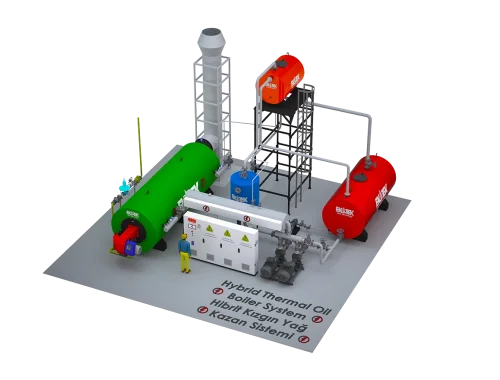
Personnel must be regularly trained on boiler operating principles, emergency procedures, lockout/tagout (LOTO), and personal protective equipment. For advanced products like the Phoenix ECO Series - Hybrid Thermal Oil Boiler and Atlas ECO Series - Hybrid Superheated Water Boiler, periodic inspection and maintenance remain essential even with automation and remote monitoring. Special safety measures are required for thermal oil systems against leakage and fire risk.
Ekotek Solutions for Efficient and Safe Boiler Rooms
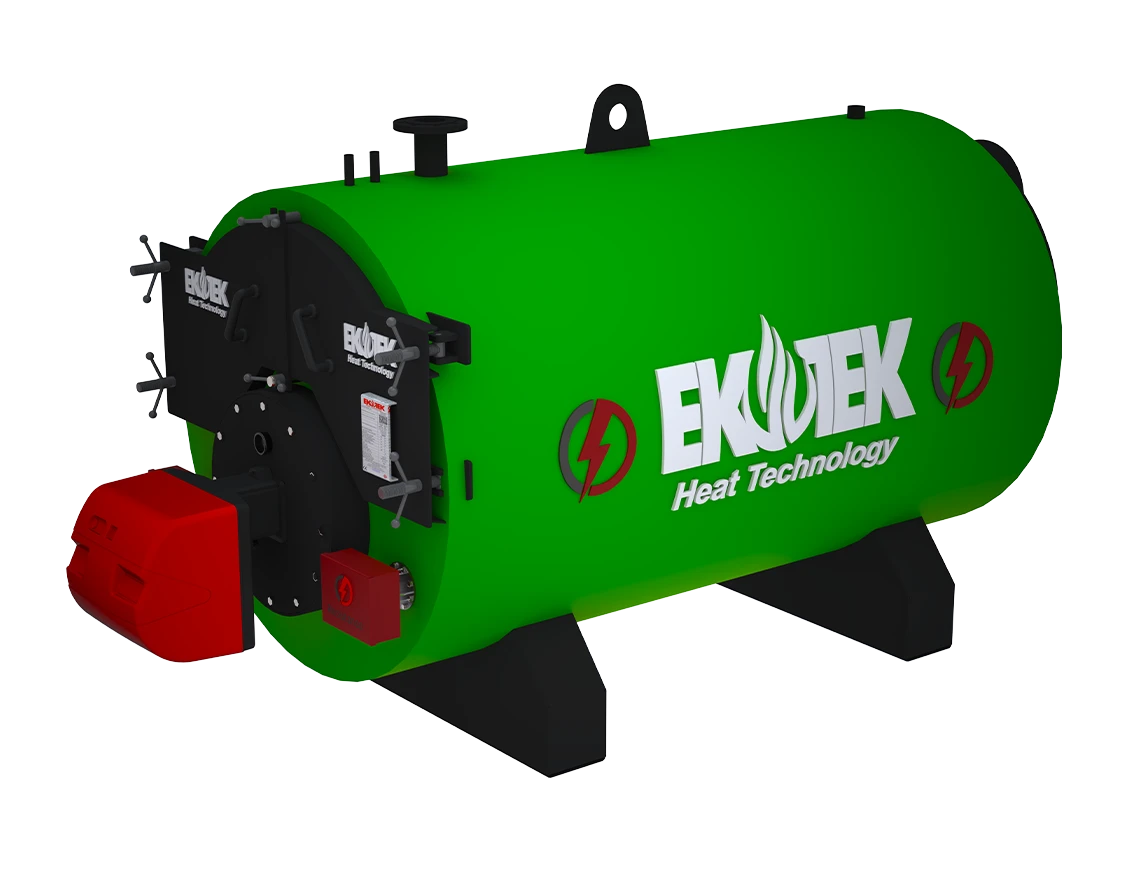
At Ekotek Kazan, we offer not only products but also boiler room design consultancy and engineering support. Starting with the Burning ECO Series - Hybrid Hot Water Boiler, our entire product range includes project-based technical support for boiler room layout, piping, and integration. Our modern boiler room automation, SCADA integration, and remote monitoring systems allow you to keep your facility's performance under control 24/7.