Follow a complete production cycle
To document peak steam demand in batch production, record when each steam user starts, how long it needs steam and which other equipment is running at the same time. Put those events on a shared timeline alongside any available consumption records. This shows where short peaks occur and how they differ from the demand that continues between batches.
A shift total tells you how much steam was used over several hours. It cannot show whether much of that demand arrived in a short burst. For a boiler discussion, the timing matters as well as the total.
Look at what happens during the peak
Start with a normal production cycle and follow it from warm-up through processing and cleaning. Note when each stage begins and ends. Where several lines share a steam supply, showing them together makes overlapping stages easier to spot.
For example, two vessels may begin heating together even though their processing stages finish at different times. The production schedule helps explain that overlap. A peak at every batch start also needs to be distinguished from a cleaning operation that takes place less often.
Operators can help connect the records to what was happening on the line. A brief note about a product change or an unusual interruption may explain why one cycle looks different from the others.
Keep the records tied to the production schedule
Use the consumption records already available and note how often they were recorded. Readings taken over a whole shift provide a different level of detail from records that show individual production stages. When an event is shorter than the recording interval, the technical team may need more information to understand it.
Keep measured values separate from estimates. If a steam requirement comes from an equipment supplier, retain that reference too. This helps everyone see which parts of the demand profile are established and which still need checking.
Separate today's operation from future changes
Describe the equipment that runs between batches as well as the users responsible for the peaks. Then set out any planned changes, such as an additional line or a different production sequence. Keeping those changes separate makes it easier to see what is driving the proposed investment.
With that picture in place, the engineering team can consider the relationship between generation, scheduling and storage. Steam accumulation is one option used in suitable installations with fluctuating demand. Whether it belongs in a particular project requires a technical assessment based on the actual load profile.
Give suppliers the same picture
When requesting proposals, share the production timeline, available demand records and details of the existing boilers. Ask each supplier to explain which operating pattern their proposal covers and what they still need to confirm. That gives you a clearer basis for comparing different approaches.
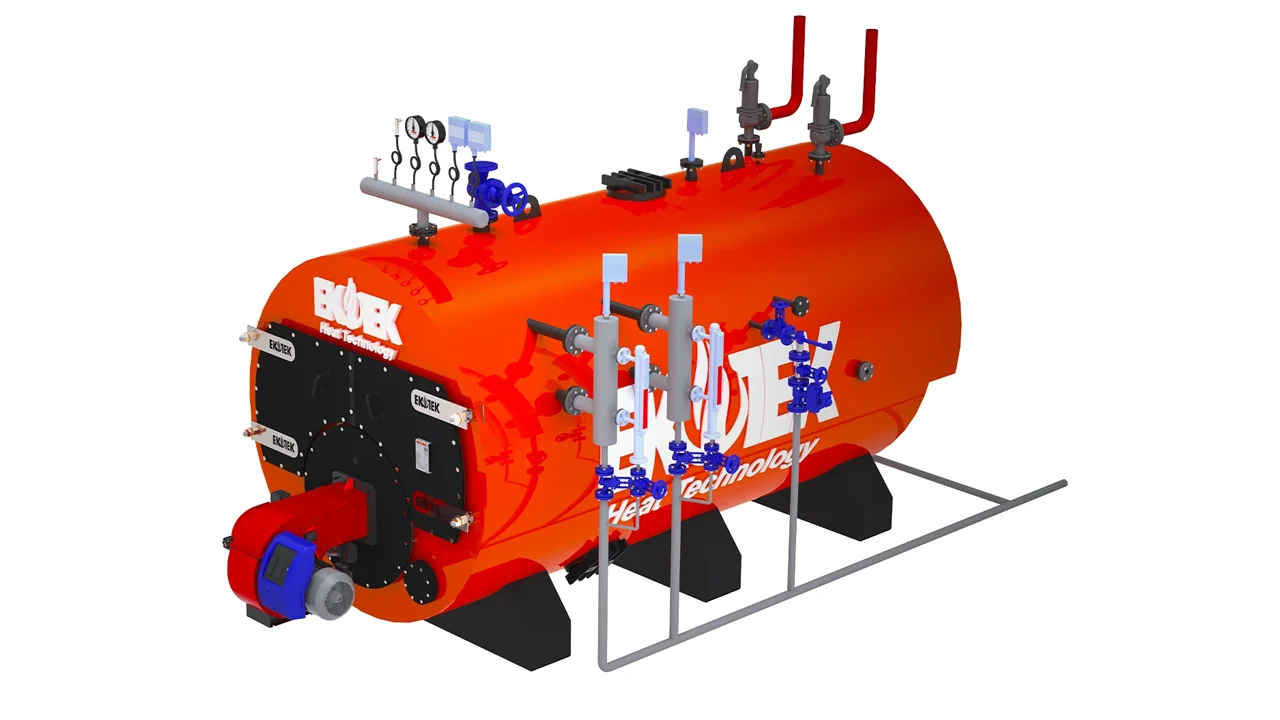
If you are considering boiler equipment, you can review the Storm series liquid and gas fuel steam boiler with Ekotek. Bring the batch timings and the records behind them to the conversation. They help the supplier understand both the short bursts of demand and the steam supply your production needs throughout the day.